Welcome. Play therapy is one of the most effective and developmentally natural therapeutic approaches for children
If you're here, chances are you've been referred to a play therapist—or you’ve been searching for a powerful, child-centered way to help a young person heal.

A Natural Language for Healing
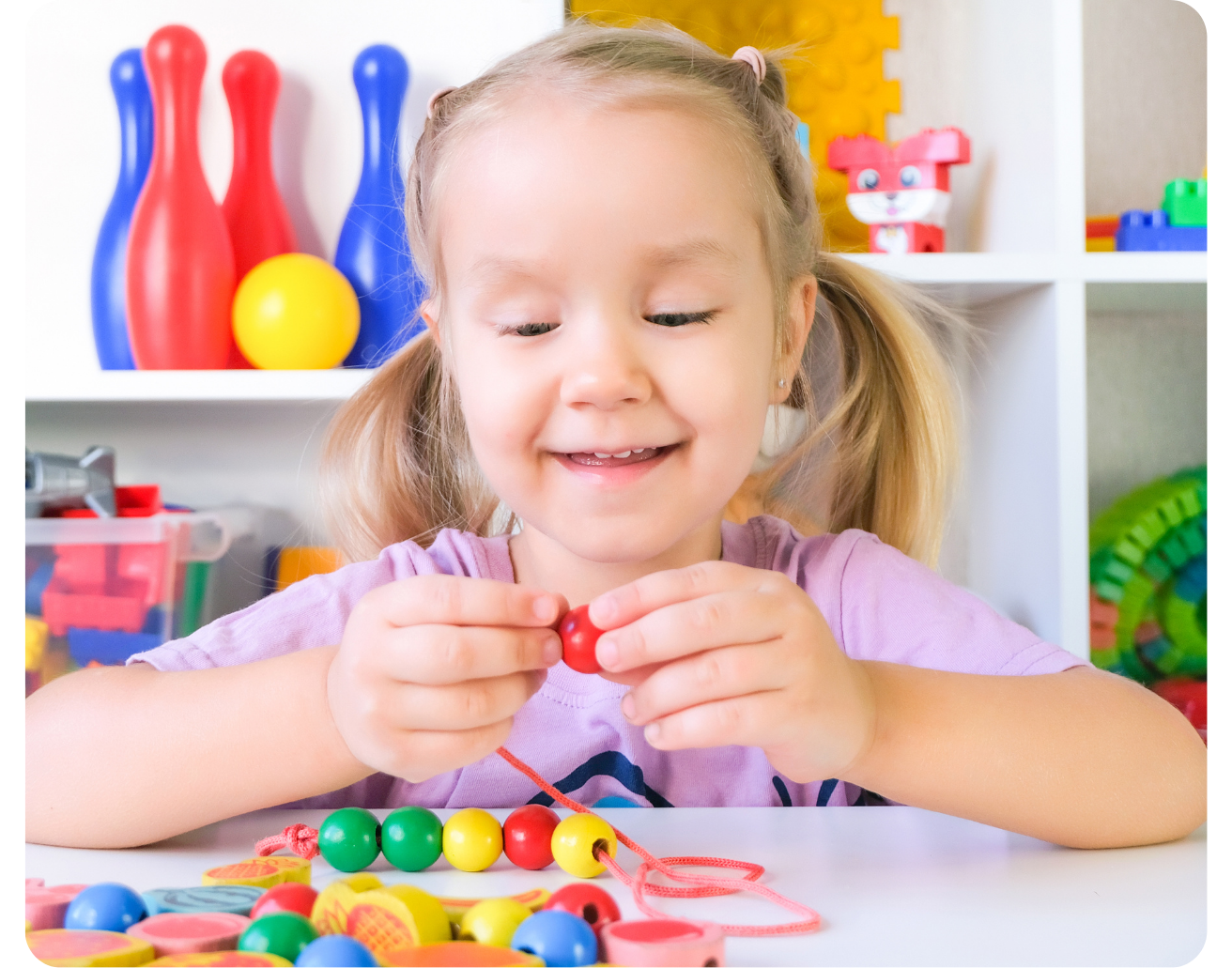
Play therapy is a form of counseling that uses play—a child’s most natural way of expressing themselves—to help process emotions, navigate life stressors, and foster emotional wellness. Rather than relying solely on words, young people can use toys, art, music, sand, water, and other creative materials to communicate what they may not yet have the words to say.
why play matters
Non-threatening expression
Through play, children can explore difficult feelings—fear, anger, sadness, confusion—in a safe, accepting environment.
Empowerment
Using play, children get to take charge of their “world” in a controlled way, replaying experiences and trying out new ways of being.
Emotional regulation
Play helps reduce anxiety, making it easier for children to express and process what’s inside them.
Self-discovery
The items a child chooses, and how they play with them, can reveal deep insights into their inner world and struggles.

The Role of the Play Therapist
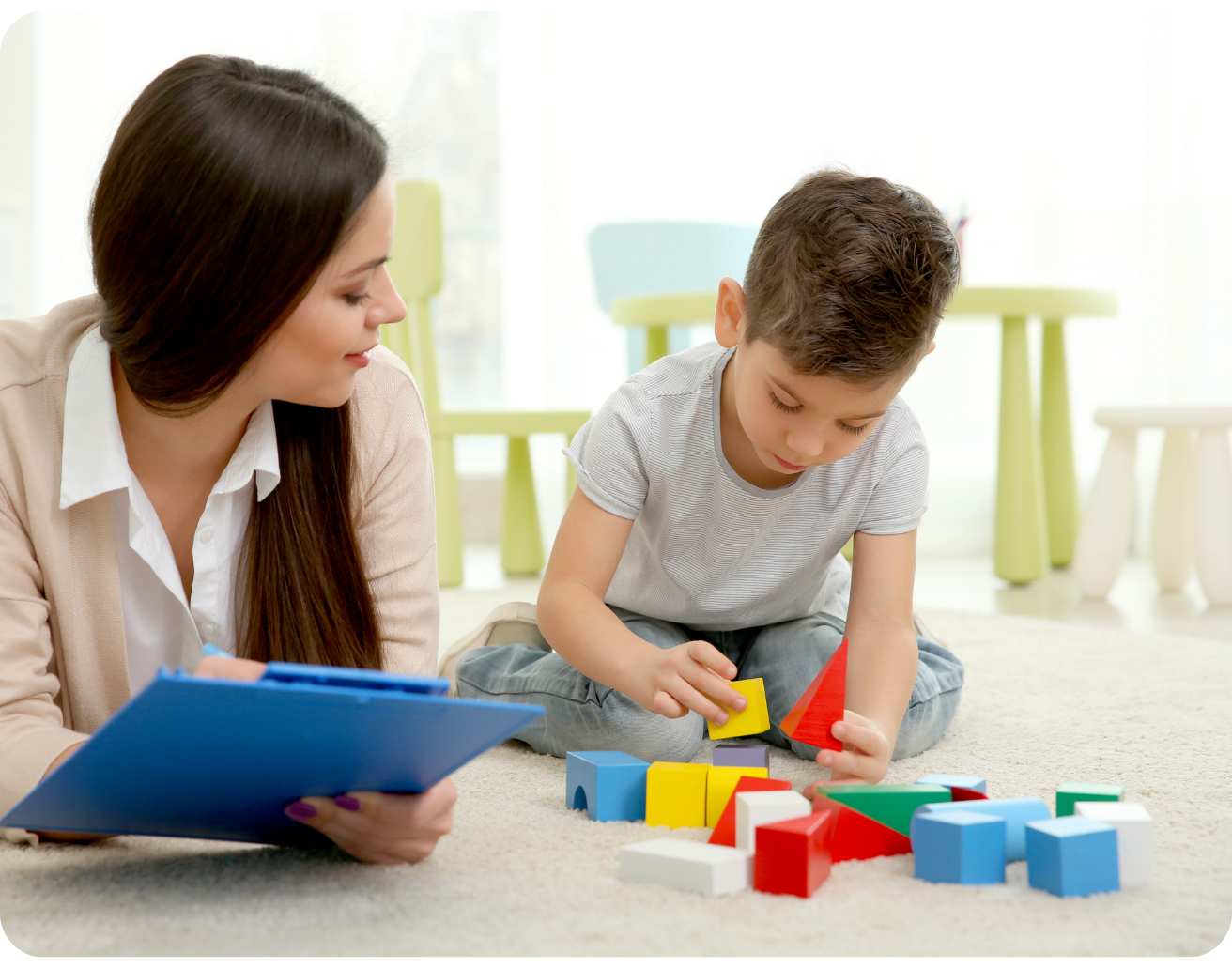
A trained play therapist provides more than just observation. They build a trusting, empathetic relationship with the child—one in which the child’s play becomes the language of therapy. As Dr. Garry Landreth describes in Play Therapy: The Art of the Relationship, the therapist engages with the child in a way that respects their unique personality and inner life, listening for the “delicate and subtle messages” in their play.
Growth Through Play
Play isn’t just fun—it’s foundational. As children play, they build:
SOCIAL SKILLS: BY INTERACTING THROUGH PRETEND AND COOPERATIVE GAMES.
PROBLEM-SOLVING ABILITIES: BY TESTING OUT SOLUTIONS IN THEIR PLAY SCENARIOS.
EMOTIONAL UNDERSTANDING: BY ACTING OUT THEIR FEELINGS AND WORKING THROUGH THEM.
RESILIENCE: BY MASTERING THEMES OF CHALLENGE, LOSS, CONTROL, AND CREATIVITY.
Through play, children make sense of the world—and through play therapy, they learn how to heal and grow in healthy, lasting ways.
Play Therapy Certification (APT)
Becoming a Registered Play Therapist (RPT) is not necessary in order to use play therapy during the treatment process. However, when play therapy is a consistent form of intervention, consideration should be given to pursuing an RPT. Meeting the requirements of a Registered Play Therapist guarantees that the therapist has extensive and specialized training regarding the incorporation of play into the therapy process.
It also means the therapist must maintain this credentialing with continuing education. This assures the most current and innovative information in the field of play therapy is being consistently acquired by the therapist and utilized in the treatment process. It is a highly recommended credential for those using play in therapy.
WE INVITE YOU TO SEARCH THE ASSOCIATION FOR PLAY THERAPY DIRECTORY.
WHAT CREDENTIALS DOES APT OFFER?
Registered Play Therapist (RPT)
Registered Play Therapist-Supervisor (RPT-S)
School-Based Registered Play Therapist (SB-RPT)